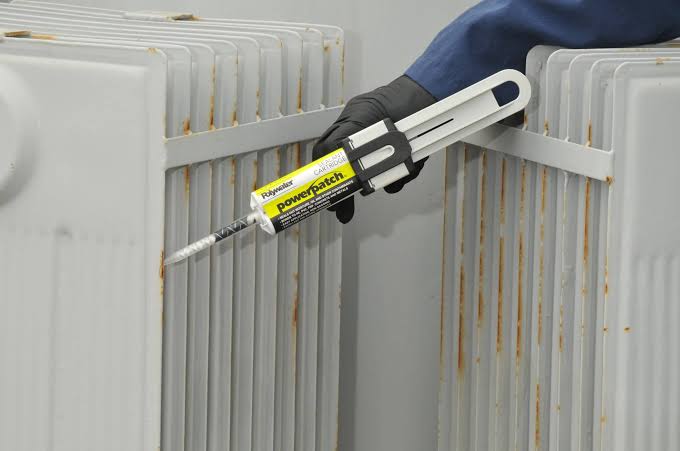
A transformer that is weeping oil is a problem that only gets bigger. Oil loss lowers the insulation level, moisture gets in, and sooner or later someone has to deal with a spill, a cleanup and maybe an outage. Polywater PowerPatch is a two-part epoxy sealant built for exactly this. Crews use it to stop active oil and SF6 gas leaks on transformers, gas-insulated equipment and PILC cable, and it can often be applied without taking the equipment out of service.
PowerPatch is a two-part repair system. You mix part A and part B, apply it over the leak, and it cures into a tough seal that bonds to steel, copper, porcelain, lead and other common electrical surfaces. Polywater describes it as a permanent repair, and it is made for pinholes, cracks, larger damaged areas and leaks at bolts and gaskets.
It works on:
Small leaks tend to be ignored because the transformer keeps running. The trouble is what happens over time. Lost oil can expose windings, moisture can get in and speed up insulation aging, and a leak that starts at a gasket or weld can grow. There is also an environmental cost, since oil and SF6 gas both create reporting and cleanup headaches.
A repair that works while the unit is energized and in service avoids the scheduling and switching that a full shutdown brings. That is the main reason utilities keep PowerPatch kits on the truck.
| Version | What It Is | Best For |
|---|---|---|
| EP | Standard two-part sealant in single-use kits | One-off field repairs and truck stock |
| EPCT | Cartridge system applied with a dispensing tool and static mixers | Crews that want a clean, repeatable mix and multiple applications from one kit |
| EPSC | Slow-cure version | Jobs where you need more working time |
| Catalog # | Description |
|---|---|
| EPCT-KIT1 | 2 two-part cartridges, 4 static mixers, putty sticks, wipes, sandpaper and instructions. Requires the TOOL-50-11 dispensing tool, sold separately. |
| EPCT-KIT1G | EPCT-KIT1 with the TOOL-50-11 dispensing tool included (US only) |
| EPCT-KITB6 | Box of 6 EPCT-KIT1 kits |
| EPCT-KITB6G | 6 EPCT-KIT1 kits with the TOOL-50-11 dispensing tool (US only) |
| EPCT-250KIT1 | 250 mL cartridge kit with 3 static mixers. Requires the TOOL-250 high-ratio caulking gun. |
| EP-KIT11 | Single-use kit with a bag of two-part sealant, putty stick, wipes, sandpaper, mixing sticks and gloves |
| EP-KITB6 | Box of 6 single-use EP kits |
| EP-KITB12 | Box of 12 single-use EP kits |
| EP-KIT51 | 6 sets of sealant with a 7 in putty stick, for repairing multiple leaks |
| EPSC-KIT1 | Slow-cure single-use kit |
| EP-STICK4 | 7 in putty stick |
| TOOL-50-11 | Dispensing tool for the EPCT cartridges |
| TOOL-250 | High-ratio caulking gun for the 250 mL cartridge kit |
Remember that the EPCT cartridge kits need a dispensing tool. Order the version with the tool included, or add the TOOL-50-11 separately.
Each kit includes instructions, and you should follow them for the exact surface prep and cure guidance. In general, the process looks like this:
Wear gloves and eye protection, and check the Safety Data Sheet for the kit you use. Polywater publishes SDS documents for the cartridge kit, the paste kit and the slow-cure sealant.
PowerPatch video from Polywater: sealing pipe joints and hatch covers. Always follow the instructions that come with the kit.
PowerPatch is a two-part epoxy repair system for stopping active oil and SF6 gas leaks on transformers, GIS and PILC cable. It handles pinholes, cracks, larger areas and leaks around bolts and gaskets.
Polywater states that it can often be applied without taking the equipment out of service. Follow your utility's safety procedures and clearances for any work on or near energized equipment.
Yes. Polywater lists SF6 gas-insulated transformers and GIS equipment among its intended applications, in addition to oil-filled transformers.
It is rated to hold a continuous oil pressure of 100 psi (0.69 MPa) for one month.
Yes. In testing with electrical insulating oil for 164 hours at 100°C (ASTM D3455), oil quality changed very little. The cured material is also non-conductive, with a dielectric strength of 469 V/mil.
It bonds to steel, copper, porcelain, lead and other common electrical substrates. It also applies to vertical and overhead surfaces without sagging.
-40°F to 300°F (-40°C to 150°C).
EP is the standard two-part sealant in single-use kits. EPCT is a cartridge system used with a dispensing tool and static mixers. EPSC is the slow-cure version for jobs that need more working time.
EPCT-KIT1 does not, and neither does EPCT-250KIT1. The G versions (EPCT-KIT1G and EPCT-KITB6G) include the TOOL-50-11 and are available in the US only.
Powertech Associates and Utility Power Supply serve electric utilities, line contractors and industrial customers with Polywater products. Our online store carries the PowerPatch kits, including EPCT-KIT1, EP-KIT11 and EPSC-KIT1. For bulk boxes, kit recommendations, or help matching a kit to your equipment, contact Powertech Associates.
Learn more on the manufacturer's page: Polywater PowerPatch Transformer Leak Repair.
